
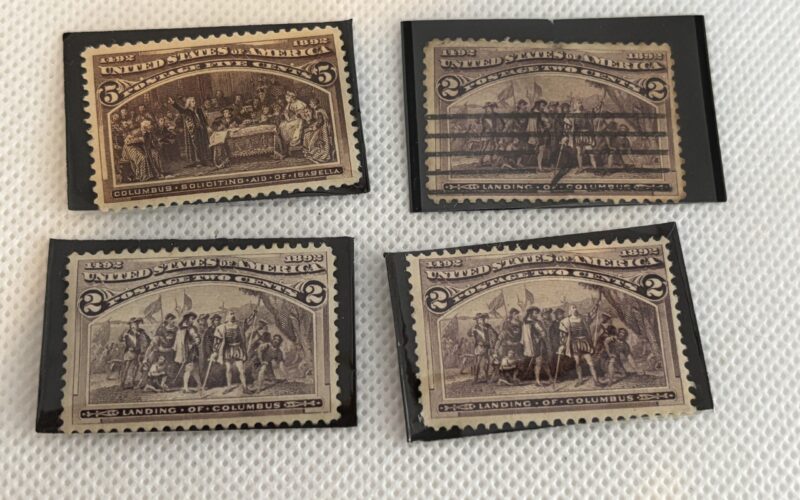
We have received a lot of calls lately about stamps. Across the country people are clearing out attics and closets after a family member passes away, and they find binders, albums, and shoeboxes stuffed with hundreds, maybe thousands of postage stamps. Sometimes they are meticulously organized, other times they are haphazardly stuffed in envelopes and plastic bags.
Family lore may be that grandpa’s collection was worth a fortune. However, when you try to cash in on that collection today, you’ll find a market that has been completely transformed. Stamp collecting has become fractured – the value of common stamps has declined while rare gems become high-end investments.
Before you lug in that heavy box to a local dealer or decide to list it online, you should understand what has happened to the hobby over the last 20 years and what to expect when you try to sell an inherited collection.
The Modern Philatelic Reality Check
Over the past two decades, two forces have reshaped the hobby: demographics and the internet.
Changing Demographics
The casual “schoolboy collector” era is over. These collections are starting to flood the market. Most hold minimal value. Younger generations who grew up in a world of email, texts, and digital shipping labels have very little connection to physical stamps. They are not interested in the collection grandpa may have painstakingly organized. As a result, supply is outpacing demand.
The Effect of eBay and Online Market Places
Thirty years ago, a specific stamp might have seemed rare because the local hobby shop didn’t have it. As platforms like eBay and HipStamp have grown, so has price transparency. A quick internet search instantly reveals that hundreds of other people are trying to sell the same stamp. The internet shattered the illusion of scarcity for common issues, driving prices down to pennies. This is the case for many “collectibles.”
What to Expect When You Try to Sell
Brace yourself for a reality check when you try to sell that inherited collection.
Most Modern Collections Are Worth Face Value or Less
If the stamps in your collection are from after 1940, they were likely produced by the millions. During the mid-to-late 20th century, millions of people hoarded sheets and commemorative stamps, believing they would fund their retirement.
The reality is the market is oversaturated. Unused stamps from this era often sell at a steep discount – 20% to 50% of their actual face value – to crafters or businesses who just want cheap postage. And used stamps steamed or torn off envelopes are worth even less if anything at all.
Condition is Everything
To a non-collector, a stamp is a stamp. To a true collector, microscopic flaws dictate the price.
If stamps are loose in a box, torn, or stuck into an album using tape or cheap hinges, their value drops substantially. Modern collectors pay a premium only for perfection: “Mint, Never Hinged” stamps with flawless adhesive, or pristine, historically significant postmarks.
Catalog Prices are a Retail Fantasy
If you open a pricing guide like the Scott Catalogue and see a stamp listed for $5, do not expect a dealer to give you $5.
Catalog prices reflect what a retail dealer charges a buyer to cover their overhead, time, and inventory costs. When buying a bulk collection from the public, a dealer will typically offer you 10% to 20% of catalog value and that is only for the specific items they actually want. Sorting through large collections takes time and dealers need to recoup that in what they pay. You can expect dealers will pass on pieces of the collection.
If you use the internet to try to determine value, remember that asking prices can be very different than sold prices. Our blog, Using the Internet to “Research” the Value of a Coin, pertains to researching stamps as well.
How to Find the Hidden Gems
Most inherited collections hold little financial value. The odds of finding that rare stamp buried in loose stamps and binders is slim. The same goes for coins, baseball cards, comic books, and other collectibles.
What to look for:
• Pre-1930: If stamps are from late 1800s to early 1900s, it may be worth consulting with a professional.
• Official Paperwork: Look for certificates of authenticity from reputable organizations. If the original collector paid to have a stamp certified, or bought it that way, it’s a good sign of value.
The Bottom Line
If you have inherited a stamp collection, manage your expectations. Unless the original collector spent serious money acquiring certified rarities from the 1800s, the collection’s greatest value may be sentimental.
If you choose to keep it, you might find a different kind of value. Stamp collections can offer a fascinating window into history and art.
If you have questions about your collection, give us a call or submit a photo.